Wine Regions of France
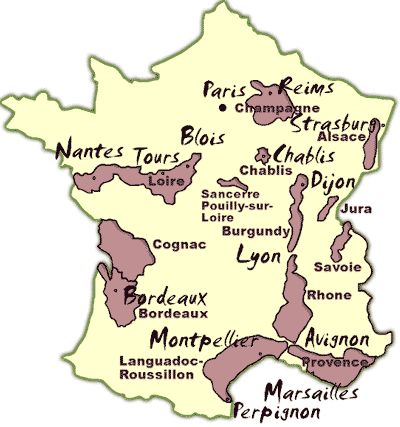 While I certainly drink my fair share of French wine, I am by no means an expert on the various vineyards; nor is my palette sophisticated enough to be able to tell you exactly what hints of what you are tasting. That being said, I do know the various French wine regions and what kinds of wine come from which appellations (not sure what an appellation is? Read French Wine: Understanding the Four Categories).
As France is the country where winemaking and viticulture first was refined and the French defined many different types of wine production, regions of France are now just as synonymous with what wines come from there as what the scenery is like. France is the birthplace of modern winemaking and serves as a model for wine production internationally. Even though it’s only about the size of Texas, France produces between 7 and 8 billion bottles per year and has the second-largest total vineyard area in the world.
Learn more about French Wine:
Before you head to France, you may be interested in learning more about which wines come from the regions you’llbe visiting. Here is a complete guide on the wine producing regions of France.
Loire Valley
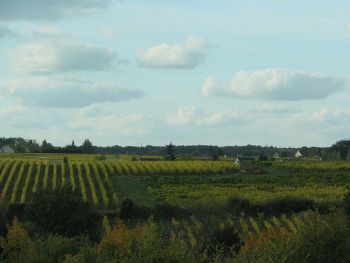 While this area southwest of Paris has long been known as the former stomping grounds of French Kings, the Loire Valley is also France’s third largest wine producing region and is known for its sparkling wines – it’s France’s second largest region for sparkling wine after Champagne – and for its lighter reds.
Whites
Loire Valley white wines are perfect for spring and summer, as their fruity aromas and acidity make them lighter.
Rosés
The slightly sweet, pink hued rosés that come from the Loire are also known as a perfect summer wine and have a refreshing flavor. Rosés can be the perfect pre-dinner apéritif.
Reds
Loire Valley reds can be either lighter or full-bodied, but they do have a reputation as being a generally smoother, lighter red than those from Burgundy or Bordeaux. The lighter ones can be served chilled at a summer barbecue, and the fuller bodied are excellent for autumn, or as a slightly lighter alternative to more traditional winter wines.
Sparkling (fines bulles)
Because Champagne only comes from the Champagne region, the sparkling wine from the Loire Valley is called fines bulles. However, they produce some great sparkling wines that tend to be on the crisper, drier side, much like the whites from this region.
Sweet
The Loire Valley is known for its sweet wines that make for a great apéritif or dessert wine. Sweet white wines from the Loire are frequently paired with foie gras and are known to work well with blue cheeses as well.
Headed to the Loire Valley?
- Getting from Paris to the Loire Valley
- Autumn in the Loire
- Castles of the Loire
- Check out another alocholic beverage made in the Loire and Visit the Cointreau Distillery
Bordeaux
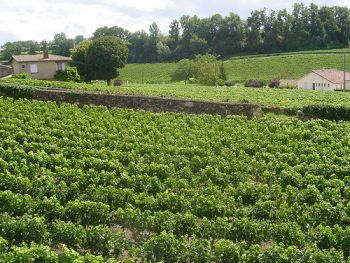 Bordeaux is not only one of France’s largest wine producing regions, with average vintages producing as many as 900 million bottles a year; Bordeaux wines range from everyday table wines to some of the most prestigious and expensive in the world.
There are 57 different appellations of Bordeaux wine made by 10,000 producers (châteaux) from the grapes of 13,000 grape growers. Romans first established many vineyards during their occupation of Saint Emillon more than a hundred years before the birth of Christ.
Dry Whites
Dry white wines are made throughout the region from a blend dominated by Sauvignon Blanc and Sémillon, with those from Graves being the most well-known and the only sub-region with a classification for dry white wines. Unlike the lighter whites from the Loire Valley, many of these wines tend to have a significant oak influence.
Sweet Whites
In several locations and appellations throughout the region, sweet white wine is made from Semillon, Sauvignon Blanc and Muscadelle grapes affected by noble rot. The best-known of these appellations is Sauternes, which also have an official classification, and where some of the world’s most famous sweet wines are produced. There are also appellations neighboring Sauternes, on both sides of the Garonne River, where similar wines are made. Try a glass of sauternes paired with foie gras. It’s heaven. I’m not kidding. (Read more about Pâté: A Delicious, Spreadable Treat).
Headed to Bordeaux?
Burgundy
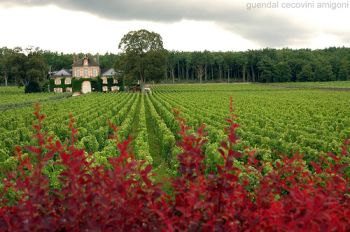 This region produces many of France’s most famous wines, and many of the wines from here are called Burgundies in honor of the region they come from. In fact, Burgundy has a higher number of AOCs (read about appellations in French Wine: Understanding the Four Categories) than any other region in France. While small amounts of rosés and sparkling wines are produced in Burgundy, the region is best known for its Chardonnay-dominated Chablis, its light, young, red Beaujolais Nouveau and its Pinot Noir.
Because of the long history of monasteries making wine in this area, Burgundy is the most terroir-conscious region in France; immense attention is paid to which wines are produced where and in what kind of the 400 types of soil that exist in this region. Below are the main Burgundy Wine classifications:
Whites
Chardonnay is the most common white wine found in Burgundy. However, the Aligoté is a drier, more acidic white wine that is traditionally used in a kir (white wine mixed with a black currant liqueur called Cassis). Chablis (a Chardonnay) is the best known of Burgundy whites; it a dry white wine known for the purity of its aroma and taste and the cooler weather in the part of France produces its acidity.
Reds
Ninety percent of the wine production in this region are varieties of red wines, and Burgundy is best known for its Pinot Noir. Pinot Noir grapes grow best in cooler temperatures, which is why the northern region of Burgundy (and also Oregon!) produces great Pinot.
Beaujolais
Made from the thin-skinned and tannin-light Gamay grape, Beaujolais wines are light-bodied reds with high acidity that are meant to be drunk “young,” or as soon as possible after bottling. Every year, there are celebrations around France (and the world) during the third week in November to celebrate the release of the Beaujolais Nouveau.
>>Read about the Beaujolais Nouveau Festival
Rhône
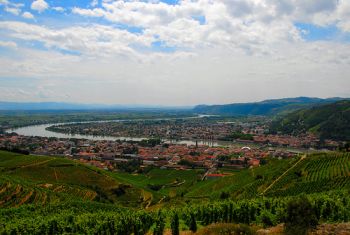 This wine region in southern France produces many varieties of wines under different appellations, though the most widely produced and well-known wines are called Côtes du Rhône. Côtes du Rhône is one of the more diverse wine regions in France, producing everything from full-bodied reds to fruity reds and dry, full-bodied whites.
Reds
The northern Rhône wine producing region is much smaller than the southern, and produces mostly full bodied reds from the Syrah grape. It is called the Côte–Rôtie (roasted slope) for the large amounts of sunshine this area gets, sweetening the grapes more than others.
The southern Rhône wine region produces mostly full-bodied Syrahs and is also the birthplace of the Appellation d’Origine Contrôlée (AOC) system, which defines the many vineyard regions of France. The reds from the southern Rhône region are known for being fine wines at more affordable prices than Burgundies and Bordeaux.
Whites
South of the Côte–Rôtie and the full-bodied syrahs, the Rhône Valley produces white wines from the Viognier grape in the region of Condrieu. These whites are known as rather intense with fresh acidity and higher alcohol content.
Rosé
There is a small appellation in the Rhône region called Tavel that produces rosé wines. While these wines are not well known, they do have a bit of a cult following. Rosé from this region uses mostly Grenache grapes and are best drunk young.
Languedoc-Roussillon
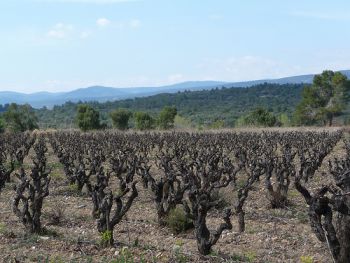 Much like nearby Bordeaux, the origins of vineyards in Languedoc-Roussillon in southwestern France date back to Greek and Roman times (you will often see bottles of wine from this region labeled Vin de Pays d’Oc).
This dry, warm region gets little rainfall and is actually the most productive wine region in the world. It stretches from the hills of Corbières at the foot of the Pyrénées to the Mediterranean coast and is the sunniest region in France, which allows for a slightly longer growing season and makes the climate more similar to wine growing regions in Spain than France.
Reds
This region’s red wines tend to be spicy and full-bodied. The area is home to many different grape varieties from Merlot to Cabernet Sauvignon to Syrah.
Whites
Several different types of whites come from here, including the Sauvignon Blanc, Chardonnay, Grenache and Muscat Blanc grape varieties. These white wines have a reputation of being on the drier side.
Vins Doux Naturels
These are “naturally sweet” wines, which means they have been fortified with brandy to stop fermentation and to add sweetness. The majority of these sweet white wines are made using Muscat grapes, have a higher alcohol content (up to 17%) and contain more sugars.
Crémant de Limoux
Although these sparkling wines are made using the methode champenoise, because it does not actually come from the Champagne region the sparkling wine from this region is called cremant de Limoux. The sparkling wines from this region are made with the same method to make Champagne and are made in the small villages surrounding (obviously) Limoux. The wines are normally composed of a combination of Mauzac, Chardonnay and Chenin Blanc grapes.
Alsace
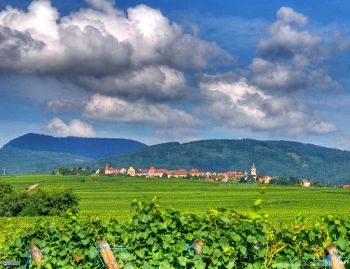 This region in northern France is known mostly for its dry whites and sparkling wines, which grow and age well in the cooler, damper climate than in the hotter and more sun-drenched southern regions of France.
Because Alsace region has changed hands between the French and Germans several times over the past few centuries, this region has historically had very close ties with Germany and German culture. This also applies to the wines, which produces some of the best Rieslings and aromatic Gewürztraminer wines. Because of its Germanic influence, it is the only region in France to produce mostly varietal wines, typically from similar grapes used in German wine.
Reds
Almost all the wines from Alsace are whites, with the exception of a few Pinot Noirs, which tend to have a paler red skin and are often almost rose in color.
Whites
The vast majority of wines from Alsace are whites, which tend to be floral and spicy in flavor. Since wines from this region are seldom aged in oak barrels, it means they tend to fairly pure in character.
Pinot Gris and Gewürztraminer wines from Alsace have higher sugar content and tend to be sweeter, whereas the region’s Riesling, Muscat and Sylvaner wines tend to be much drier.
Sparkling (or Crémant d’Alsace)
Alsace produces a significant amount of sparkling wine using the traditional methode champenoise and mostly Pinot Blanc grapes.
Champagne
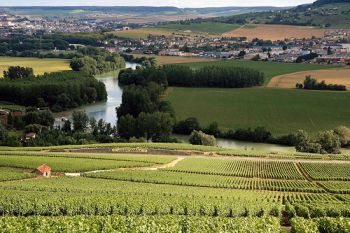 While this is not technically an entire large region, it is well known as only sparkling wine from this specific appellation in France can be called Champagne. The method for making Champagne was invented in this area in northeastern France near the city of Reims, about 100 miles from Paris.
However, long before this region became mostly known for its bubbly, Champagne was a major wine growing region in France starting in the Middle Ages. In fact, the Champagne region and Burgundy have a centuries-old rivalry and during the reign of Louis XIV, these two major wine producing regions would come to Versailles to compete for dominance.
Reds
Because this region of France is located farther north and in an area with limited sunshine, this is actually a difficult area for grapes to fully ripen. This means that most of the wines coming from Champagne tend to be whites and sparkling, as these more acidic grape varieties do better in the climate. However, that being said, the cooler climate also is perfect for the growing of Pinot Noir, which make the best reds from this area.
Whites
Champagne is known for its Chardonnay. The cooler climates and soil tend to give these grapes a higher acidic content and they tend to be lighter, crisper and less fruity than the wines from regions further south.
Champagne
Of course, the Champagne region is best known for Champagne. In fact, the area was the birthplace of la methode champenoise and is where the first bottles of the sparkling wine were created.
Envious of the stellar reputation of the Burgundy wines from the south, the Champenois (i.e. people from Champagne) sought to produce wines of equal acclaim. However, the northerly climate of the region gave the Champenois a unique set of challenges in making red wine—the cooler temperatures meant grapes would struggle to ripen fully and often would have bracing levels of acidity and low sugar levels. But the same conditions that made producing good red wines difficult in the Champagne region also proved to be the reason for sparkling wines to succeed.
Want to know more about Champagne?
map of wine regions from French Imports. photos: bordeaux , champagne , languedoc, rhone, alsace